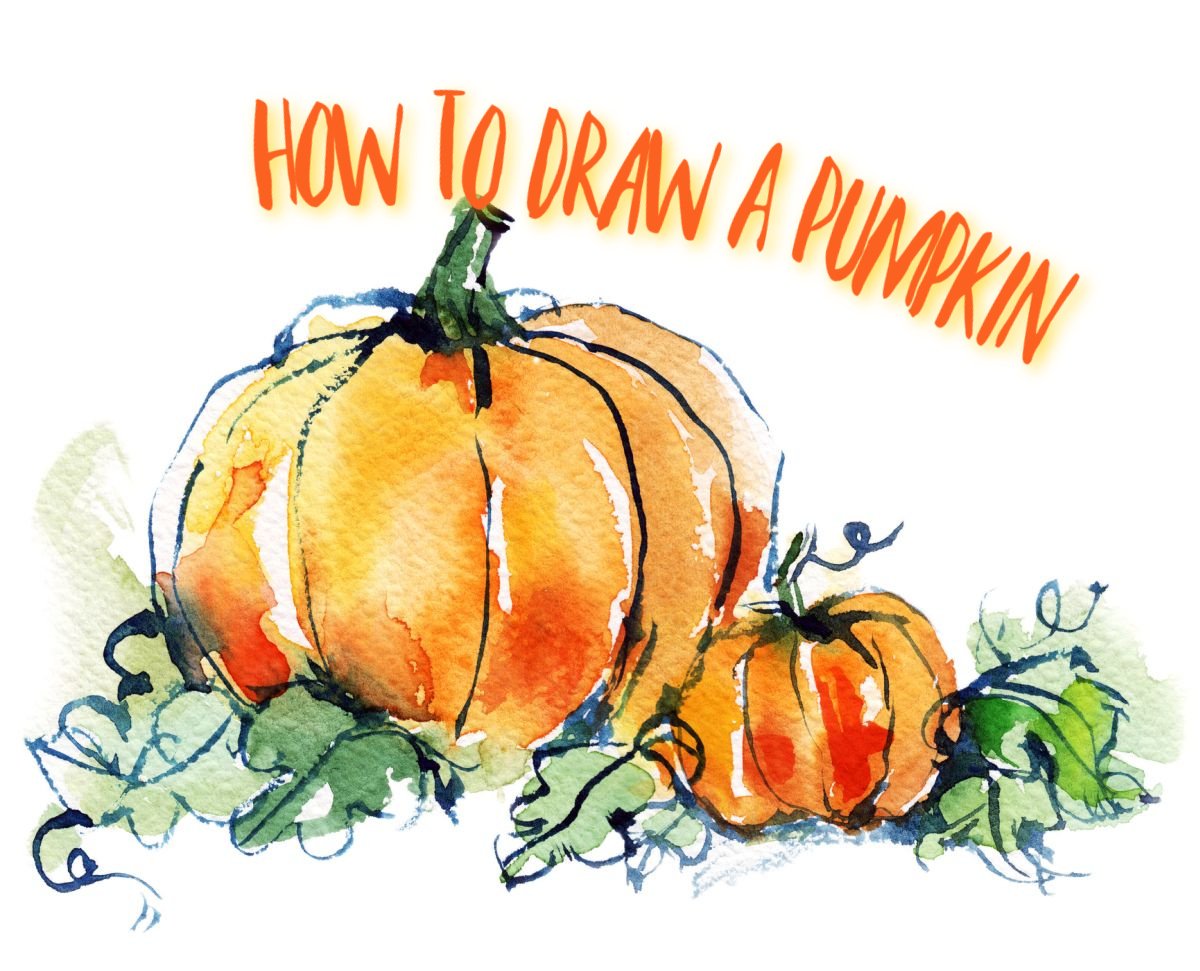
Fall is here, and with it comes the cozy magic of crunchy leaves, warm drinks, and, of course, pumpkins! There’s something inherently joyful about sketching a friendly (or delightfully spooky) pumpkin, and these Cartoon Pumpkin Drawing Tutorials are designed to make that creative journey accessible and fun for everyone, from eager young artists to adults just rediscovering their inner doodler. Forget intimidation – we’re here to guide you, stroke by stroke, to create pumpkins bursting with personality.
Whether you're gearing up for Halloween, decorating for Thanksgiving, or simply want to capture the spirit of autumn on paper, drawing a cartoon pumpkin is a fantastic way to engage your imagination and hone your artistic skills. We'll explore everything from basic shapes to adding those charming details that make your pumpkin truly yours.
At a Glance: Your Pumpkin Drawing Cheat Sheet
- Start Simple: Begin with a basic oval or rounded shape for the pumpkin's body.
- Add Dimension: Curved lines create the pumpkin's iconic ridges.
- Personalize It: Give your pumpkin a face – happy, spooky, or whimsical!
- Color Smart: Use orange for the body, green/brown for the stem, and add shading for a 3D effect.
- Don't Fear Mistakes: Every "mistake" is an opportunity for a unique touch.
- Practice Pays Off: The more you draw, the better your pumpkins will get!
Why Doodle a Cartoon Pumpkin? More Than Just a Pretty Picture
Drawing isn't just about creating an image; it's about exploring creativity, developing fine motor skills, and even boosting confidence. For kids, it's a playful way to connect with seasonal themes and express themselves. For beginners of any age, a cartoon pumpkin offers a forgiving subject – its natural imperfections are part of its charm! You don't need to be a seasoned artist to capture the essence of this beloved gourd. In fact, learning how to draw a cartoon pumpkin is a fantastic entry point into mastering basic cartoon drawing techniques, setting you up for future artistic adventures.
Your Toolkit: Gathering Your Art Supplies
Before we dive into the delightful world of pumpkin creation, let's ensure you have the right tools at your fingertips. No need for fancy equipment; the essentials are likely already in your home or easily found.
Here's what you'll need:
- Drawing Paper: Any plain paper will do. Thicker paper is great if you plan to use markers or watercolors.
- Pencil: An HB or 2B pencil is ideal. They're soft enough to create clear lines but easy to erase.
- Eraser: A good quality eraser is your best friend for making adjustments.
- Sharpener: Keep those pencil points crisp for precise lines.
- Optional Coloring Supplies:
- Colored Pencils: Offer great control for shading and detail.
- Crayons: Perfect for vibrant, solid colors and younger artists.
- Markers: Washable markers are excellent for bold outlines and filling in larger areas quickly.
- Reference (Optional but Recommended): An actual small pumpkin or a photo of one can provide valuable inspiration for shapes and textures.
With your supplies ready, let's embark on our artistic journey!
The Core Journey: Step-by-Step Cartoon Pumpkin Creation
These steps build upon each other, guiding you from a simple outline to a fully realized, colorful cartoon pumpkin. Remember, the goal isn't perfection, but enjoyment and expression.
Step 1: Laying the Foundation – The Pumpkin's Body
Every great pumpkin starts with a solid foundation. Think of this as the basic blueprint for your gourd.
- Start with a Gentle Shape: In the center of your page, lightly sketch a large oval or a gently rounded, somewhat flattened circular form. Don't press too hard with your pencil; these are guide lines you might adjust later. This initial shape is the central part of your pumpkin, its main "belly."
- Consider Its Personality: Even at this stage, you can think about the kind of pumpkin you want. A rounder oval for a classic pumpkin, or a slightly squatter, wider shape for a more unique gourd.
- Keep it Light: Emphasize keeping your lines very light. This makes erasing and refining much easier as you progress. This is the stage where you're just exploring the initial placement and size on your paper.
Step 2: Giving it Form – Adding Those Signature Ridges
What makes a pumpkin a pumpkin? Those wonderful, often uneven ridges that give it character! This step is crucial for transforming a simple oval into a recognizable gourd.
- Curved "Ear" Shapes: On each side of your central oval, draw a curved shape that slightly overlaps the main body, almost like large, soft ears or parentheses. These begin to suggest the rounded, segmented nature of a pumpkin.
- Expand the Curvature: Add two more similar curved shapes, extending outward from the previous ones, continuing to build the pumpkin's overall width and roundness.
- Define the Ridges: Now, draw curved vertical lines that connect from the top of the pumpkin (near where the stem will be) down to the bottom. These lines should follow the contours of your existing shapes, defining the distinct segments or ridges. Don't make them perfectly straight; a slight curve adds to the organic, natural feel. Imagine the lines wrapping around a sphere.
- Embrace Imperfection: Remember, real pumpkins aren't perfectly symmetrical. Let some ridges be wider, some narrower, some slightly more pronounced. This adds authenticity to your cartoon.
Step 3: Crown Your Creation – Drawing the Stem
The stem is the pumpkin's crowning glory, anchoring it to the vine and adding a touch of rustic charm.
- Placement: At the very top center of your pumpkin's body, where all your ridge lines converge, is the ideal spot for the stem.
- Basic Shape: Draw a thick, slightly curved rectangle or cylinder. It should be wider at its base where it meets the pumpkin and can taper slightly as it goes up.
- Add Texture: To give your stem a more natural, woody feel, draw a few small, soft lines or curves inside its main shape. You can also make the top slightly uneven or jagged.
- Twist and Turn: Don't be afraid to give your stem a little twist or lean. A slightly bent or gnarled stem adds character and makes your pumpkin more dynamic.
Step 4: Injecting Personality – Optional Features for Your Pumpkin
Now comes the really fun part: giving your pumpkin a face! This is where its unique personality truly shines through. You have endless possibilities, from friendly smiles to spooky grins.
Spooky Jack-o'-Lantern
For a classic Halloween vibe, turn your pumpkin into a grinning jack-o'-lantern.
- Eyes: Draw two triangular or almond shapes for the eyes. You can make them point up menacingly or droop for a sillier look.
- Nose: A small, upside-down triangle is the traditional choice for the nose.
- Mouth: This is where the true character emerges! A wide, jagged smile with missing teeth or a series of sharp, pointed teeth creates that iconic spooky grin. You could also try a surprised "O" shape or a mischievous smirk.
- Experiment: Play around with different eye and mouth shapes. Large, round eyes with small pupils can be spooky, while narrow slits can look cunning.
Cute & Friendly Faces
Not every pumpkin needs to be scary! Create an adorable character with softer features.
- Eyes: Big, round eyes with large pupils often convey cuteness. Add small white circles within the pupils for a "sparkle" effect.
- Nose: A small, soft oval or even a tiny dot can work.
- Mouth: A simple, gentle curve for a smile is perfect. You could add small dimples at the corners or a small tongue peeking out.
- Blush: A couple of small, light curves on the "cheeks" can add a rosy blush, enhancing the cute factor.
Whimsical & Imaginative Designs
Want to go beyond traditional faces? Let your imagination run wild!
- Patterns: Decorate your pumpkin with swirls, dots, stripes, or even checkerboard patterns.
- Nature Elements: Add small leaves, flowers, or even tiny ladybugs to your pumpkin's surface.
- Stars & Moons: Incorporate celestial elements for a magical, dreamy pumpkin.
- Fantasy Creatures: Imagine your pumpkin as a home for a tiny fairy door or adorned with dragon scales. This is a great way to personalize your art and make it truly unique.
Remember, you don't have to add a face at all. A simple, unadorned pumpkin can be equally charming and is perfect for a more rustic or decorative scene.
Step 5: Bringing it to Life with Color and Dimension
Color and shading are what truly make your pumpkin pop off the page, transforming a flat drawing into a vibrant, three-dimensional object.
- Base Colors:
- Pumpkin Body: The classic choice is a bright, cheerful orange. You can use different shades of orange or even mix in a bit of yellow for highlights or a touch of red for deeper shadows.
- Stem: Typically, stems are green or brown. You can use a mix of both to show age or texture.
- The Magic of Shading: Shading is key to creating that wonderful 3D effect.
- Light Source: First, decide where your imaginary light source is coming from (e.g., from the top-left). This will dictate where the highlights and shadows fall.
- Along the Ridges: Apply darker shades of orange (or a blend of orange and a hint of brown/red) along the edges of the ridges, especially on the side opposite your light source. This makes the ridges appear to recede.
- Lighter Centers: Leave the very center of each pumpkin segment lighter, or even add a touch of yellow, to suggest where the light is hitting directly.
- Layering: Don't just use one shade. Build up your color by layering. Start with a light orange, then add deeper oranges, and finally, subtle browns or reds in the deepest shadowed areas.
- Highlights: For extra pop, use an eraser to gently lift color from the brightest areas, or use a white colored pencil/crayon to add small, bright highlights.
- Cast Shadow: A subtle shadow beneath your pumpkin helps ground it and makes it feel like it's actually sitting on a surface. Use a light gray or a muted version of your background color. This simple addition significantly enhances realism. For those interested in taking their artwork to the next level, exploring advanced shading techniques can dramatically improve the three-dimensional quality of your drawings.
Step 6: The Grand Finale – Decorate and Enhance
Your pumpkin is almost complete! Now, let's add some decorative flourishes to make your drawing truly unique and bring it into its seasonal setting.
- Vines and Leaves: Around the base of your pumpkin, or even curling up its sides, draw some curly green vines and broad, green leaves. These add a natural, organic touch.
- Vines: Use a slightly darker green for the vines and a lighter green for the leaves.
- Leaves: Vary the shape and size of your leaves. You can add veins for more detail.
- Background Ambiance:
- Simple Color Wash: A soft wash of yellow, light brown, or even a pale blue for the sky can create an inviting backdrop.
- Halloween Elements: If it's a Halloween pumpkin, consider adding small bats, ghosts, or a crescent moon in the background.
- Fall Foliage: Scatter a few colorful autumn leaves around the pumpkin for a classic fall scene.
- Your Signature Touch: Remember, this is your drawing. Don't be afraid to add elements that speak to you. Perhaps a tiny spiderweb, a friendly squirrel, or even a small candle flame inside your jack-o'-lantern.
Beyond the Basics: Actionable Insights & Pro Tips
You've mastered the core steps, but art is a journey, not a destination. Here are some actionable insights and tips to keep your creative momentum going and elevate your pumpkin drawings.
Practice Makes Progress
The golden rule of drawing applies here: consistent practice is key. Don't expect perfection on your first try. Sketching pumpkins of various shapes, sizes, and expressions will build your muscle memory and confidence. The more you practice, the more intuitive the process becomes.
Focus on the Foundation
It's tempting to jump straight to the fun details like faces and decorations. However, always ensure your basic pumpkin shape and ridge structure are solid first. A well-constructed foundation makes everything else easier and more effective. If the underlying form is weak, even the best coloring won't completely salvage it.
Mastering Symmetry (or Embracing Asymmetry)
While light guidelines can help with symmetrical placement of eyes or ridges, remember that real pumpkins are rarely perfectly symmetrical. Embrace slight variations! An asymmetrical grin or a slightly lopsided shape can give your cartoon pumpkin more character and charm.
Illuminating Your Art: The Power of Shading
Deciding on a consistent light source early on is crucial for realistic shading. Imagine a single lamp shining on your pumpkin – where would the light hit directly, and where would the shadows gather? Tilting your pumpkin slightly can also add more dynamic dimension to your drawing, making it appear less flat.
Embrace the "Mistake"
There are no real mistakes in art, only happy accidents and opportunities for unique creations. If a line goes awry, see if you can incorporate it into your pumpkin's design. Maybe it's a scar, a wrinkle, or an interesting texture. Learning to adapt and improvise is a valuable artistic skill.
Creative Applications: Your Pumpkin's New Life
Your drawings don't have to stay confined to your sketchbook! Give your cartoon pumpkins new life:
- Greeting Cards: Turn a charming pumpkin drawing into a personalized card for fall or Halloween.
- Gift Tags: Decorate plain gift tags with your pumpkin art for a festive touch.
- Decorations: Cut out your drawings and use them as window clings or party decor.
- Online Sharing: Share your creations on social media and connect with other artists. You might even inspire someone else to try their hand at drawing! You could also explore other fantastic Halloween crafts to pair with your pumpkin drawings.
Ready for More? Advanced Techniques & Digital Exploration
If you're feeling confident with the basics and want to push your skills further, consider these advanced approaches:
- Advanced Shading for 3D Effects: Explore cross-hatching, stippling, or blending techniques for incredibly realistic textures and depth. Pay close attention to reflected light and ambient occlusion.
- Intricate Details: Experiment with adding tiny veins to leaves, dew drops on the pumpkin's surface, or even a worn, textured look to the stem.
- Varying Pumpkin Shapes: Challenge yourself to draw gourds of all kinds – tall, squat, bumpy, smooth, twisted. Each presents a new opportunity for artistic problem-solving.
- Digital Tools: If you have access to a tablet and drawing software like Procreate, Adobe Photoshop, or Clip Studio Paint, you can digitize your sketches. These tools allow for endless experimentation with layers, brushes, and color palettes, making it easier to refine your work and try new styles. For beginners in digital art, understanding the basics of layers and brushes is a great starting point.
Remember that the incredible benefits of art for kids extend to adults too, fostering creativity and a sense of accomplishment.
Common Queries About Pumpkin Art
Let's address some common questions that pop up when people start their pumpkin drawing adventures.
"What's the best way to start a pumpkin drawing?"
Always begin with light, basic shapes – an oval or a flattened circle. Think of it as the skeleton of your pumpkin. Don't worry about perfection; it's just a guide.
"How do I make my pumpkin look round instead of flat?"
The secret is curved lines and effective shading. Use curved vertical lines for the ridges that suggest the pumpkin is wrapping around a sphere. Then, use shading to create depth: darker tones on the sides and within the ridge crevices, and lighter tones where the light would hit. A cast shadow beneath it also helps.
"Can kids really do advanced shading?"
Absolutely! While they might not use the technical terms, kids can understand the concept of making one side "darker" and another "lighter" to make something look round. Encourage them to experiment with pressing harder or lighter with their crayons or pencils. It's about exploration, not mastery, at first.
"What if my drawing doesn't look perfect?"
That's the beauty of it! Art is subjective, and cartoon drawing is all about charm and character. Embrace the quirks and unique touches that make your pumpkin special. Every artist, even seasoned pros, has drawings they don't consider "perfect." Focus on the joy of creation.
Unleash Your Inner Artist: Your Next Steps
You've walked through the steps, absorbed the tips, and now you have the power to bring an endless patch of charming cartoon pumpkins to life. Drawing is a skill that grows with practice and patience, and every pumpkin you create adds another stroke to your artistic journey.
So, grab your pencil, find a quiet moment, and let your imagination roam. Draw another pumpkin, then another, each one a little different, each one telling its own story. Experiment with new faces, wilder colors, or a whole new backdrop. The page is yours, and the possibilities are as boundless as your creativity. You're now well-equipped to dive into the wonderful world of all things cartoon pumpkin! Happy drawing!