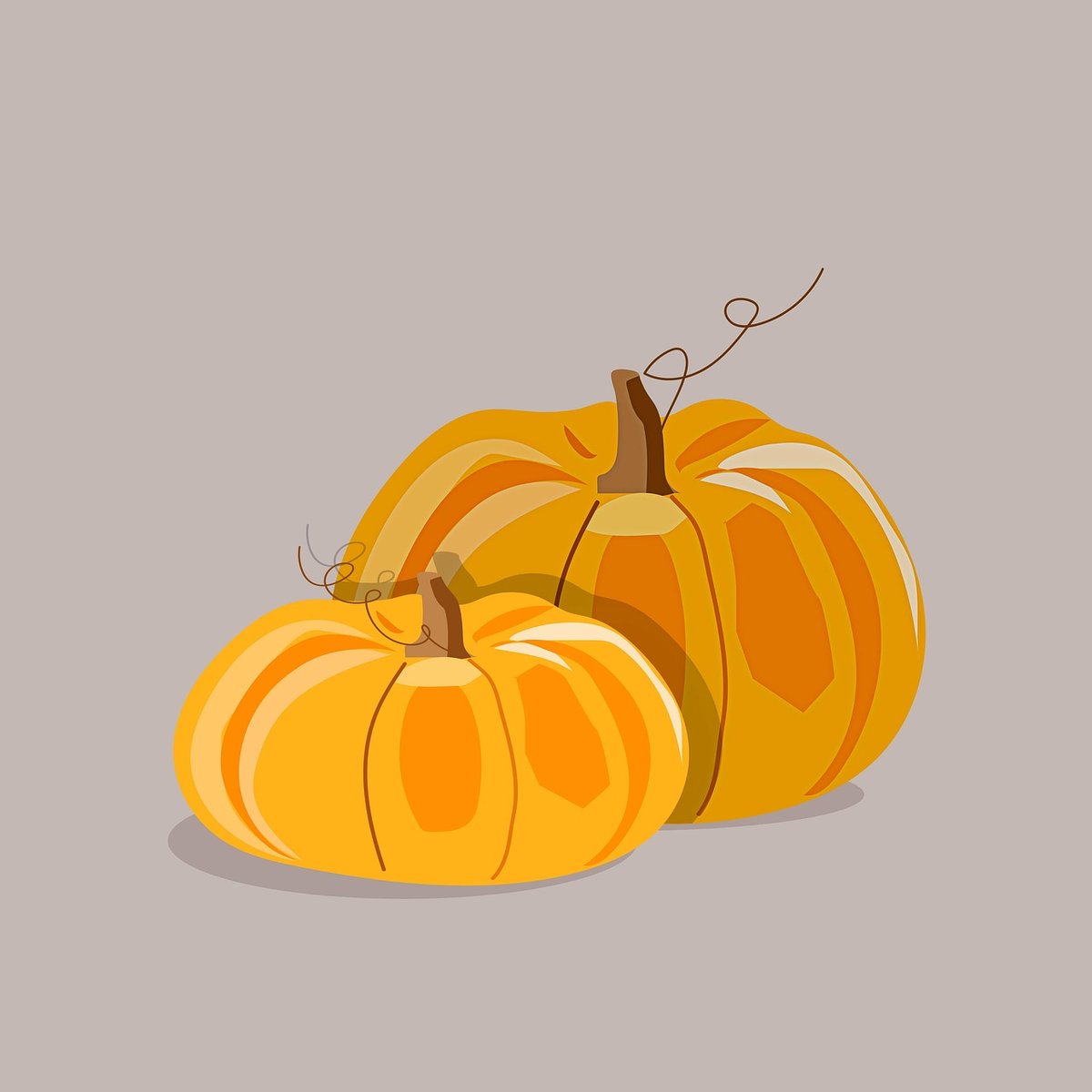
The humble pumpkin, a squash often relegated to autumn decor or holiday pies, holds a surprisingly profound and rich tapestry of meaning. Far from just a seasonal gourd, its journey through human history, cultural traditions, folklore, and fine art reveals a compelling narrative about life, death, transformation, and hope. Unpacking the History & Symbolism of Pumpkin Illustrations isn't just an academic exercise; it's an invitation to see this vibrant fruit with fresh eyes, appreciating the layers of meaning artists and storytellers have imbued it with over millennia.
This guide will peel back those layers, from its ancient origins as a life-sustaining crop to its star turn in fairy tales and its complex portrayals by some of the world's most renowned artists. Get ready to discover why this seemingly simple squash continues to capture our imaginations and inspire endless creative expression.
At a Glance: The Enduring Allure of Pumpkin Illustrations
- Ancient Roots: Pumpkins originated in Central America, symbolizing sustenance, fertility, and abundance for Indigenous peoples.
- Celtic Crossroads: In ancient Celtic traditions, pumpkins (replacing turnips) became carved jack-o'-lanterns during Samhain, offering protection and guidance.
- Fairy Tale Magic: Most famously in Cinderella, pumpkins symbolize transformation, hope, and the fleeting nature of magic.
- Artistic Muse: From Matisse's stillness to Kusama's infinity, artists have used pumpkins to explore themes of abundance, resilience, fragility, and the human condition.
- Dual Nature: The pumpkin consistently represents both the ordinary and the extraordinary, the mundane and the magical, life and its inevitable cycles.
- Modern Significance: Today, it bridges seasonal celebrations, culinary trends, and artistic interpretations, cementing its place as a universal symbol.
The Humble Gourd's Grand Journey: A Global History in a Squash
Before it became a canvas for spooky grins or a symbol of opulent carriages, the pumpkin was, simply, food. But even in its earliest forms, it carried immense weight.
Thousands of years ago, in the fertile lands of Central America, pumpkins weren't just a convenient crop; they were a cornerstone of life. For Indigenous peoples, this readily available and easily preserved squash quickly came to symbolize fundamental concepts: life itself, sustenance, and fertility – thanks to its numerous, resilient seeds. Harvest festivals often centered around the pumpkin, celebrating abundance and the promise of future growth. It was a tangible link to the land and the cyclical nature of existence.
As European explorers ventured across the Atlantic, the pumpkin made its own significant journey, crossing continents and cultures. It quickly integrated into European autumn and harvest celebrations, finding a natural home alongside existing traditions of celebrating the season's bounty.
The pumpkin's most iconic transformation, however, came through ancient Celtic lore. During Samhain, a pivotal festival marking the end of the harvest and the onset of winter, the veil between worlds was believed to thin. To navigate this liminal space and ward off malevolent spirits and mischievous fae, people carved faces into root vegetables like turnips, lighting them as lanterns. Over time, particularly with Irish immigrants arriving in America, the larger, more easily carved pumpkin became the preferred medium for these "jack-o'-lanterns." These glowing sentinels symbolized more than just protection; they represented guidance through the darkening days and a defiant beacon against the encroaching cold. Their bright orange hue, reminiscent of the sun's waning power, also subtly hinted at the hope for its eventual return, weaving together themes of warmth, protection, and the perpetual balance between life and death. The autumn pumpkin harvest, in this context, was never just about food; it was about the profound balance between life and death, plenty and scarcity, light and dark.
Beyond the Patch: Pumpkins in Folklore & Magic
The pumpkin's journey from staple crop to protective talisman didn't end there; it blossomed into a potent symbol of magic and metamorphosis, most famously through the pages of fairy tales.
Who can think of a pumpkin without picturing Cinderella's grand carriage? In this enduring narrative, a humble, ordinary pumpkin undergoes an extraordinary transformation at the hands of a fairy godmother. This magical shift encapsulates the very essence of hope and the possibility of ordinary things becoming extraordinary. It’s a powerful illustration of potential unlocked, suggesting that even the simplest elements hold the capacity for greatness.
Yet, Cinderella's pumpkin carriage also carries a vital cautionary tale: magic has limits. At the stroke of midnight, the opulent carriage reverts to its original, unassuming form. This emphasizes the fleeting nature of magical moments and the critical importance of timing. It’s a subtle nod to life's inherent cycles and changes, a theme that resonates deeply with the pumpkin's own seasonal life. This connection to time, particularly the witching hour of midnight when the veil between realms is thinnest, inspired our own blog name, "Midnight Pumpkin." On Halloween, jack-o’-lanterns continue to embody this magical allure, lit as beacons of protection and guides for wandering spirits, transforming from a simple fruit into a "supernatural talisman."
Modern pumpkin traditions continue to bridge the mundane and the magical, from elaborate autumnal decor that transforms homes into cozy havens to the ubiquitous pumpkin-spiced treats that evoke comfort and nostalgia. Each illustration, each decorative carving, each seasonal flavor celebrates the enduring power of storytelling and the pumpkin's unique ability to transport us to a realm where the ordinary is touched by the extraordinary. For those fascinated by the lighter, more whimsical side of this magical transformation, exploring all about cartoon pumpkins reveals how even simplified illustrations carry forward this legacy of joy and charm.
An Artist's Muse: How Master Painters Saw the Pumpkin
Beyond its folklore and historical significance, the pumpkin has long captivated the artistic imagination, serving as a powerful motif across various art movements. Artists have used its form, color, and cultural weight to explore themes ranging from stillness and resilience to abundance, fragility, and existential questioning.
Stillness, Reflection, and the Everyday
Many artists have found profound meaning in the pumpkin's quiet presence, using it to reflect on beauty, truth, and the simple realities of life.
- Henri Matisse’s “The Green Pumpkin” (1916): During the tumultuous period of World War I, Matisse, known for his vibrant Fauvist works, turned to this subdued still life. The green pumpkin, unadorned and contemplative, reflects Matisse’s search for stillness, refuge, and beauty amidst global chaos. It's a testament to finding peace in the ordinary when the world outside is anything but.
- Théodule Ribot’s “Still Life with Pumpkin, Plums, Cherries, Figs and Jug” (1860): As a French Realist, Ribot masterfully employed chiaroscuro, a dramatic contrast of light and shadow, to highlight the textures and subtle imperfections of his subjects. His pumpkin, alongside other fruits, symbolizes honesty and the appreciation of ordinary, fleeting moments, a quiet acknowledgment that "nothing lasts forever" and beauty can be found in the transient.
- André Derain’s “Still Life with Pumpkin” (1939): A co-founder of Fauvism, Derain later adopted a more restrained, classical approach. His still life, painted on the brink of World War II, reflects a retreat from chaos, symbolizing a search for beauty and balance in simple, timeless things.
- Zinaida Serebriakova’s “Basket with Melons and Squash” (1938): This Russian and French realist captured the simple elegance of everyday objects. Her still life, with its beautifully rendered squash, symbolizes nurturing, sustaining life, and a deep, appreciative connection to nature and its gifts.
- Ilya Mashkov’s “Still Life with Green Jug and the Pumpkin” (1939): A prominent figure in the Russian avant-garde, Mashkov’s work here uses bold colors and forms. For Mashkov, whose rural upbringing deeply influenced him, the pumpkin symbolized harvest, nourishment, and a yearning for stability amidst the pre-World War II social and political upheaval.
- Qi Baishi’s “Pumpkin” (1930): A renowned master of traditional Chinese ink painting, Qi Baishi’s simple yet powerful depiction emphasizes the essence of the object rather than elaborate detail. His pumpkin symbolizes abundance, simplicity, and the cycles of life, often reflecting Taoist philosophy and a connection to inner spirit.
Resilience, Renewal, and the Promise of Life
In times of scarcity or profound change, the pumpkin has often been depicted as a symbol of hope, survival, and the enduring power of life.
- Jean Hélion’s “Big Pumpkin Event” (1948): Following the harrowing experiences of World War II and his imprisonment as a French Resistance fighter, Hélion shifted towards figurative art. This monumental pumpkin, dominating the canvas, became a powerful symbol of abundance, survival in a time of widespread food shortages, resilience, and hope during the monumental task of societal rebuilding.
- Paula Modersohn-Becker’s “Still Life with Pumpkin” (pre-1907): An early Expressionist and a trailblazer (known as the first woman to paint nude self-portraits while pregnant), Modersohn-Becker’s work often explored themes of life cycles. Her pumpkin, rendered in earthy tones with thick brushstrokes, powerfully symbolizes nourishment, growth, fertility, and motherhood, resonating deeply with her personal and artistic explorations.
- Martiros Sarian’s “Pumpkin and Pepper” (1915): Armenia’s seminal modern artist infused his still life with bold, saturated colors and sweeping lines, aiming to capture the spiritual energy of nature. For Sarian, the pumpkin symbolized life, the land, and the vibrant spirit of his homeland.
Abstraction, Emotion, and Challenging Perspectives
Some artists have used the pumpkin not just for its representational qualities, but to push boundaries, explore inner worlds, or challenge conventional artistic norms.
- Yayoi Kusama’s “Yellow Pumpkin” (1992): The groundbreaking contemporary "pumpkin artist" is perhaps the most famous living proponent of the gourd. Her signature black polka dots on bright yellow pumpkins reflect a deep personal meaning—she finds comfort, humor, and a sense of the "generous and unpretentious" in them. These works also visually manifest her mental health struggles, particularly her experiences with hallucinations and obsessive-compulsive disorder, while simultaneously exploring themes of infinity and self-reflection. Her pumpkins have become cultural landmarks, transcending mere illustration to become icons of contemporary art.
- Gene Davis’s “Pumpkin” (1959): From the Washington Color School, Davis’s abstract work features large-scale vertical stripes in vibrant autumn hues. This piece wasn't about depicting a pumpkin in the traditional sense, but rather designed to evoke the experience of color itself, challenging viewers to engage with pure visual sensation rather than recognizable form.
- Paul Klee’s “Blue Bird Pumpkin” (1939): Klee, a master of blending abstraction and symbolism, juxtaposes a delicate blue bird (often representing freedom or the spirit) with the earthy, grounded pumpkin. This thoughtful pairing explores the balance between opposing forces – the ethereal and the material, life and death, and the ongoing process of transformation.
- Georges Braque’s “A Pumpkin” (1944): As a pioneer of Cubism, Braque deconstructs the pumpkin into fragmented geometric shapes, presenting multiple perspectives simultaneously. Painted during the height of World War II, this portrayal can be seen to reflect the instability and fragmentation of the era, yet still maintains a contemplative sense of calm within its structure.
- Joan Brown’s “Untitled” (1960): A key figure in the Bay Area Figurative Movement, Brown’s energetic, abstract work often featured pumpkin-like shapes. These forms convey movement, raw emotion, and inner feelings, effectively bridging the gap between pure abstraction and recognizable, albeit simplified, forms.
- Henri Rousseau’s “Still Life with an Exotic Fruit” (1910): The self-taught "Le Douanier" infused his still life with an oniric, surreal quality. Here, the pumpkin appears almost to float in an otherworldly environment, blending reality and imagination to make the mundane feel magical, inviting viewers into a dreamlike space.
- Pierre-Auguste Renoir’s “Melon and Tomatoes” (1903): Though not explicitly a pumpkin, this Impressionist still life, with its loose, fluid brushstrokes and vibrant colors, captures the softness, ripeness, and tactile quality of the fruits. It conveys a lusciousness and an appreciation for the simple, sensual life found in everyday objects, a spirit readily applicable to the plump, inviting form of a pumpkin.
Everyday Life and Social Commentary
Sometimes, the pumpkin serves as a background element or a focal point to highlight human interaction and societal dynamics.
- Camille Pissarro’s “Pumpkin Merchant” (1883): An Impressionist deeply influenced by socialist ideas, Pissarro often depicted the everyday lives of ordinary people. His "Pumpkin Merchant" highlights the dignity of labor, the inherent value of the working class, and the simple, enduring routines of daily life, using the pumpkin as a tangible representation of commerce and community.
Crafting Your Own Pumpkin Story: Practical Tips for Illustrators
Understanding the rich history and symbolism behind pumpkin illustrations can profoundly elevate your own artistic endeavors. It’s not just about drawing a pumpkin; it’s about infusing it with meaning.
Beyond the Jack-o'-Lantern: Exploring Diverse Symbolism
While the jack-o'-lantern is iconic, don't limit your imagination. Consider which aspect of the pumpkin's symbolism you want to convey:
- Abundance & Harvest: Depict pumpkins overflowing from baskets, nestled among autumn leaves, or as part of a lavish feast. Use warm, earthy tones.
- Transformation & Hope: Show a pumpkin mid-morphosis (perhaps a subtle glow, or hints of wheels appearing), or illustrate it juxtaposed with something humble and something grand.
- Protection & Guidance: Focus on the light within, the warmth, or a watchful, carved expression. Use strong contrasts of light and shadow.
- Fragility & Transience: Portray a pumpkin slightly bruised, or as part of a still life that includes fading elements, using muted or melancholic colors.
- Mental Health & Inner World (à la Kusama): How does the pumpkin represent your inner landscape? Could repetitive patterns or unusual colors convey a personal message?
Techniques for Evoking Mood
The way you render your pumpkin can speak volumes.
- Color Palettes:
- Warm & Cozy: Oranges, reds, deep yellows, browns for harvest, comfort, and nostalgia.
- Mysterious & Magical: Deep purples, blues, greens with hints of orange or gold for folklore, Samhain, or transformation.
- Subdued & Reflective: Muted greens, greys, browns for stillness or contemplation, drawing inspiration from Matisse or Ribot.
- Vibrant & Energetic: Bright, contrasting colors for joy, celebration, or abstract expression, like Davis or Sarian.
- Textures:
- Smooth vs. Bumpy: A perfectly smooth pumpkin might suggest ideal beauty or transformation, while a bumpy, imperfect one could speak to realism or honesty.
- Soft vs. Hard: How does your pumpkin feel? Use brushstrokes or digital textures to convey ripeness, firmness, or the slight give of its surface.
- Composition:
- Solitary Focus: A single pumpkin can embody quiet contemplation or powerful presence (Hélion).
- Cluttered Bounty: A grouping suggests abundance, community, or the richness of the season.
- Juxtaposition: Place your pumpkin next to contrasting elements – a delicate flower, a stark industrial object, or a figure – to create deeper meaning, as Klee did with his bird.
Storytelling Through Gourd: What Story Does Your Pumpkin Tell?
Every illustration tells a story. When you draw a pumpkin, ask yourself:
- Is it an ordinary pumpkin, or one on the cusp of magic?
- Does it represent a bountiful harvest, a quiet moment of reflection, or a beacon of hope?
- Whose story is it a part of – a farmer’s, a fairy tale princess’, or your own?
By consciously choosing the symbolism you want to evoke, your pumpkin illustrations will transcend mere decoration and become resonant pieces of art.
Common Questions About Pumpkin Symbolism in Art
Artists often tap into established cultural understanding but also introduce their own interpretations. Here are a few common questions.
Why is the pumpkin so often orange in illustrations?
The predominant association of pumpkins with the color orange is deeply rooted in nature and cultural tradition. Most common pumpkin varieties ripen to a vibrant orange, making it their natural, recognizable color. This orange hue is strongly linked to autumn, harvest, and the warm, fiery colors of changing leaves. Culturally, orange is associated with warmth, energy, enthusiasm, and often, excitement – perfectly fitting for Halloween and Thanksgiving celebrations where pumpkins play a central role. While artists like Matisse depicted green pumpkins or Mashkov used bold, almost unnatural hues, the orange pumpkin remains the most universally understood and represented, evoking immediate connections to season and festivity.
Is the pumpkin always a positive symbol in art?
While often associated with positive themes like abundance, transformation, and protection, the pumpkin's symbolism, like any powerful motif, can carry nuanced or even darker connotations. Its connection to Halloween and the "witching hour" can evoke mystery, the supernatural, and the unsettling idea of the veil between worlds. The transformation in Cinderella also highlights the fleeting nature of magic and the inevitable return to reality, which could be interpreted wistfully or even tragically. In still life, a decaying pumpkin might symbolize transience, mortality, or the passage of time. Artists can manipulate its form and context to explore themes of decay, the grotesque (think of truly menacing jack-o'-lanterns), or the fragile boundary between life and death.
How has digital art changed pumpkin illustration?
Digital art has dramatically expanded the possibilities for pumpkin illustration. Artists can now:
- Experiment Rapidly: Quickly try different color palettes, textures, and carving styles without waste.
- Achieve Unrealistic Effects: Create glowing, ethereal, or impossibly detailed pumpkins that would be difficult or impossible with traditional media, leaning into the magical symbolism.
- Layer & Animate: Build complex scenes with multiple layers of symbolism or animate pumpkins to show transformation, movement, or emotion.
- Reach a Global Audience: Share and be inspired by diverse pumpkin interpretations from around the world, fostering new symbolic meanings and artistic trends.
This blend of traditional symbolism with modern techniques allows for an ever-evolving narrative for the pumpkin in contemporary art.
Embracing the Endless Harvest of Meaning
From its ancient origins providing sustenance to its starring role in fairy tales and its complex interpretations on canvas, the pumpkin stands as a timeless and universal symbol. It gracefully embodies life’s dualities: the ordinary becoming extraordinary, the real touched by the magical, the tangible tied to profound spiritual meaning. Its humble appearance belies a rich inner world of narratives, fears, hopes, and dreams.
As you encounter pumpkin illustrations, whether carved on a porch, gracing a gallery wall, or dancing across a digital screen, remember the vast tapestry of stories woven into its very form. Don't just see a squash; see a testament to resilience, a beacon of hope, a symbol of transformation, and a silent observer of life's cycles. Encourage yourself to look deeper, to feel the echoes of history and folklore, and perhaps, to add your own unique chapter to the pumpkin's enduring story. What will your pumpkin reveal?